
A new logo can change a first impression, but it cannot resolve inconsistent communication on its own. When presentations use different fonts, the website has a separate palette and social channels rely on unrelated imagery, a brand still speaks in several voices. Visual identity brings that language together.
Translate positioning into design criteria
Before designing, clarify who the company helps, what it promises and how it differs from alternatives. A technology business may need precise, direct communication; a creative studio may allow more expression. This does not prescribe a colour or typeface. It provides criteria for judging design decisions.
Build a system around actual needs
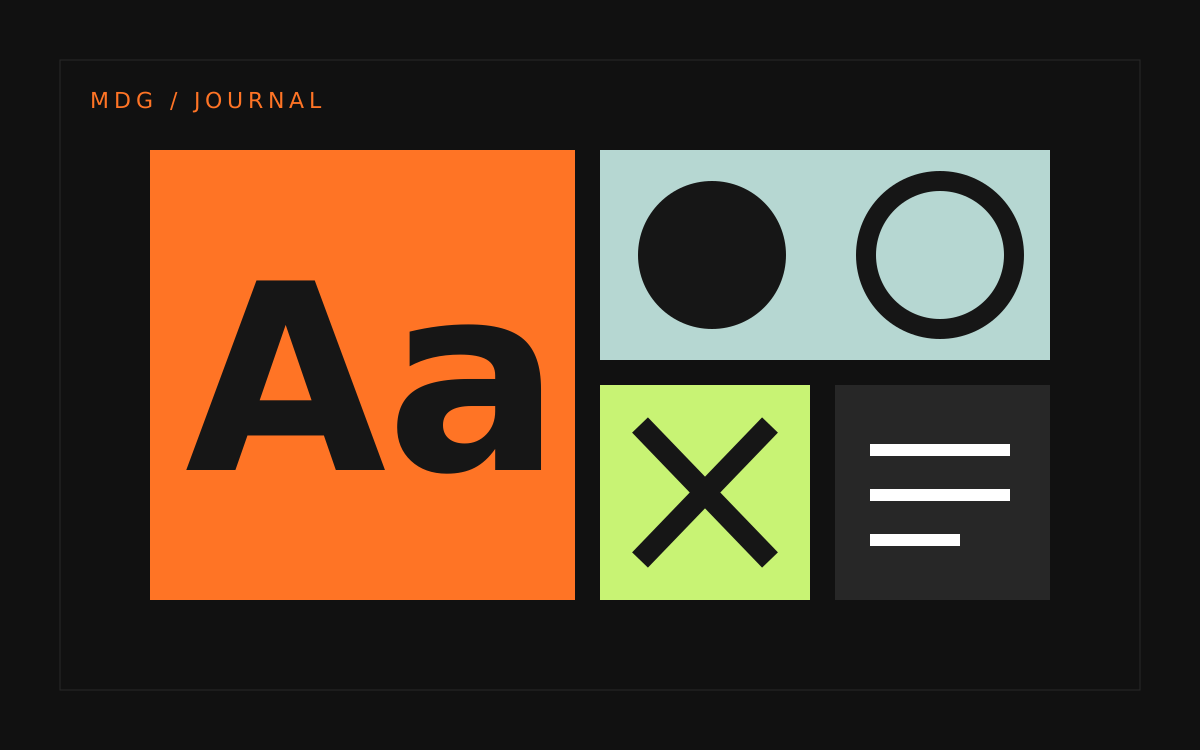
The scope should reflect where the brand appears. Core elements usually include logo variants, a colour palette, typography and composition rules. Photography direction, illustration, icons and application examples extend the system.
- Logo versions for light backgrounds, dark backgrounds and small sizes.
- Colours with defined roles rather than a list of codes.
- Typography for headings, body copy and everyday documents.
- Templates for the team's regular communication tasks.
- Source files and clear usage instructions.
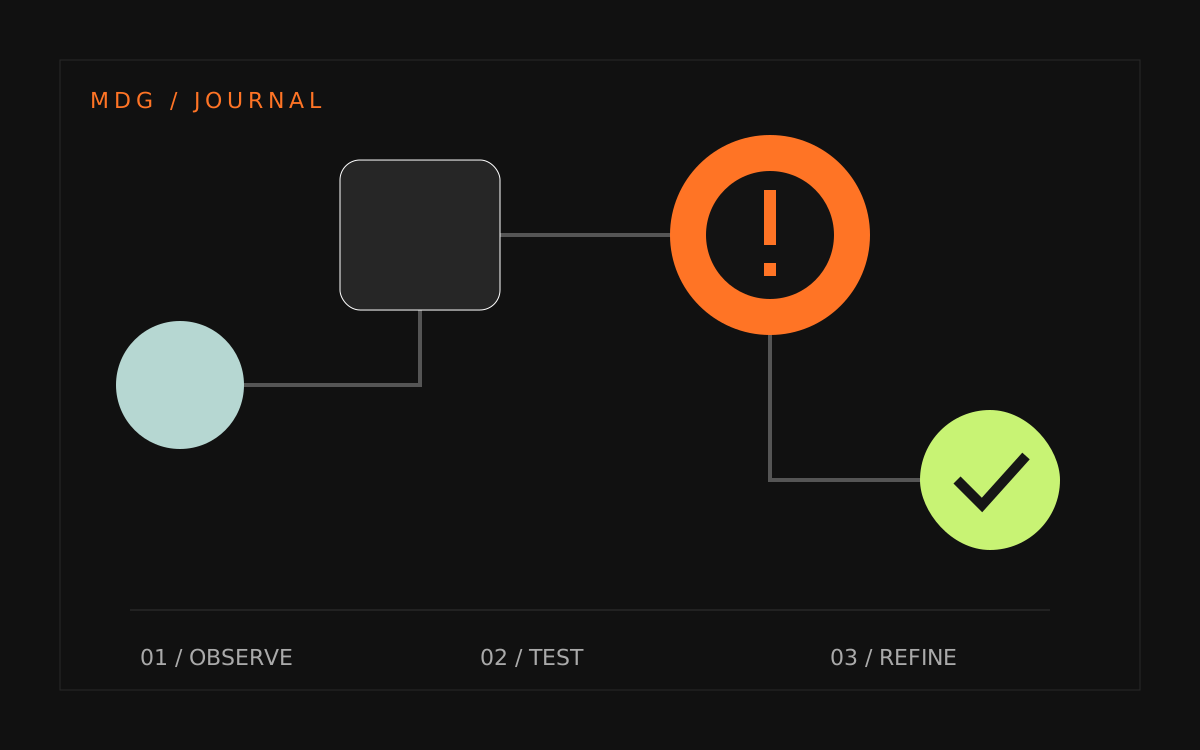
Test the identity in realistic situations
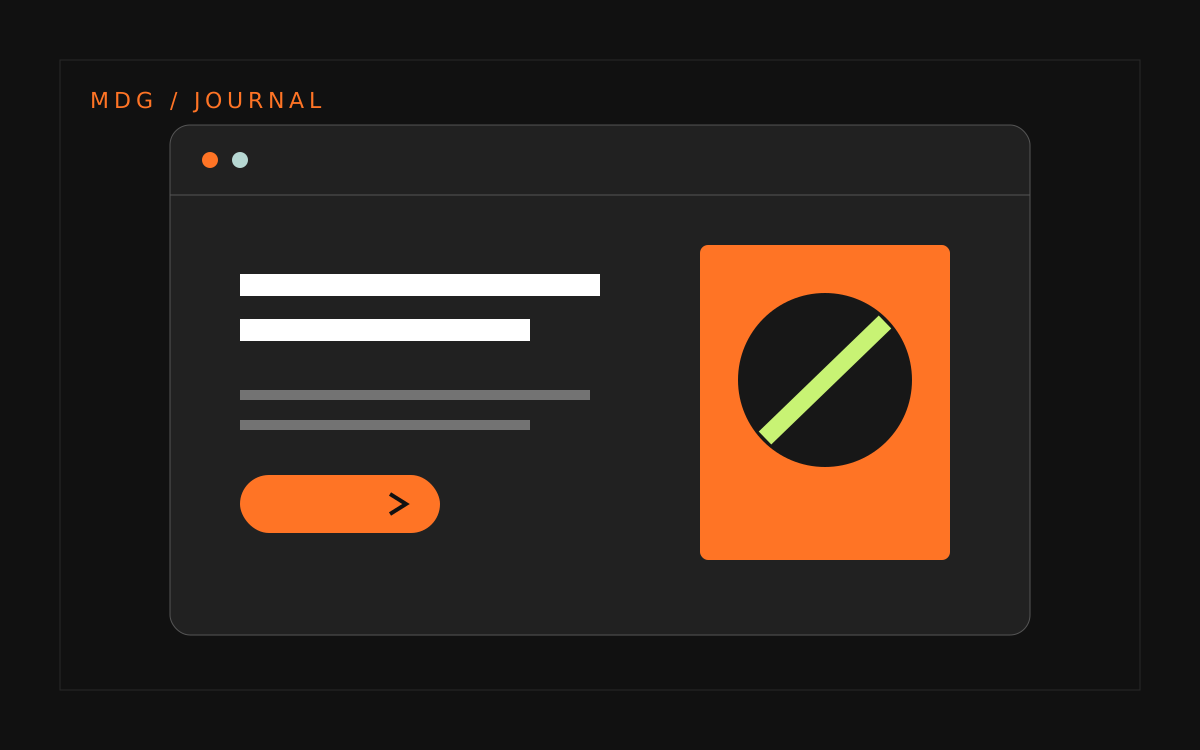
A logo may look impressive on a large mockup yet become illegible in a website header or profile image. Review it at the sizes people will actually see. Test colours in text, buttons and charts, rather than judging them only on a presentation board.
In digital products, hierarchy and readability matter. A distinctive brand should help people use the product. If an action looks indistinguishable from decoration, the application rules need adjustment.
Make guidelines useful for everyday work
A brand guide does not need to be long. It should answer recurring questions: which logo to use, how much space to leave, how to compose a heading and what imagery fits the communication. Examples of appropriate and inappropriate use can be more useful than a lengthy explanation of the concept.
Refresh or rebrand?
If the company's positioning still works and the problem is inconsistent execution, improving the existing system may be enough. A change in audiences, services or business direction may call for a broader rethink. The decision should follow a diagnosis, not simply the age of the logo.
Explore the MDG portfolio for examples of visual communication work. Tell us about your brand and the materials your team needs first. If you are developing several digital products, a design system may also be relevant.